Top 10 Politicians in the World in 2026
Top 10 Politicians in the World in 2026
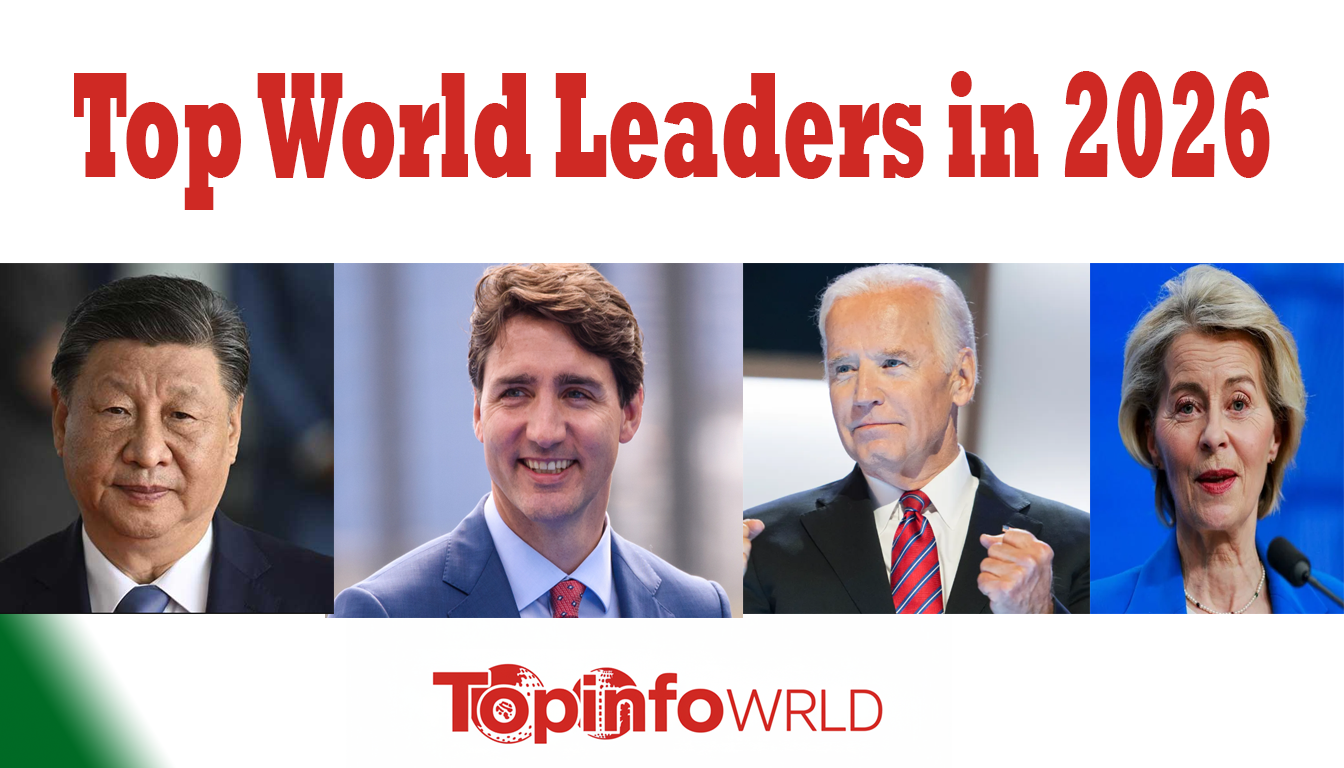
Politics plays a crucial role in shaping the direction of countries and the world. Global leaders influence economic policies, international relations, defense strategies, and social development. In 2026, several politicians stand out for their power, influence, and ability to shape global events. These leaders represent major countries and organizations that affect millions of people around the world. Below are ten of the most influential politicians in 2026 and why they are important on the global stage.
1. Xi Jinping
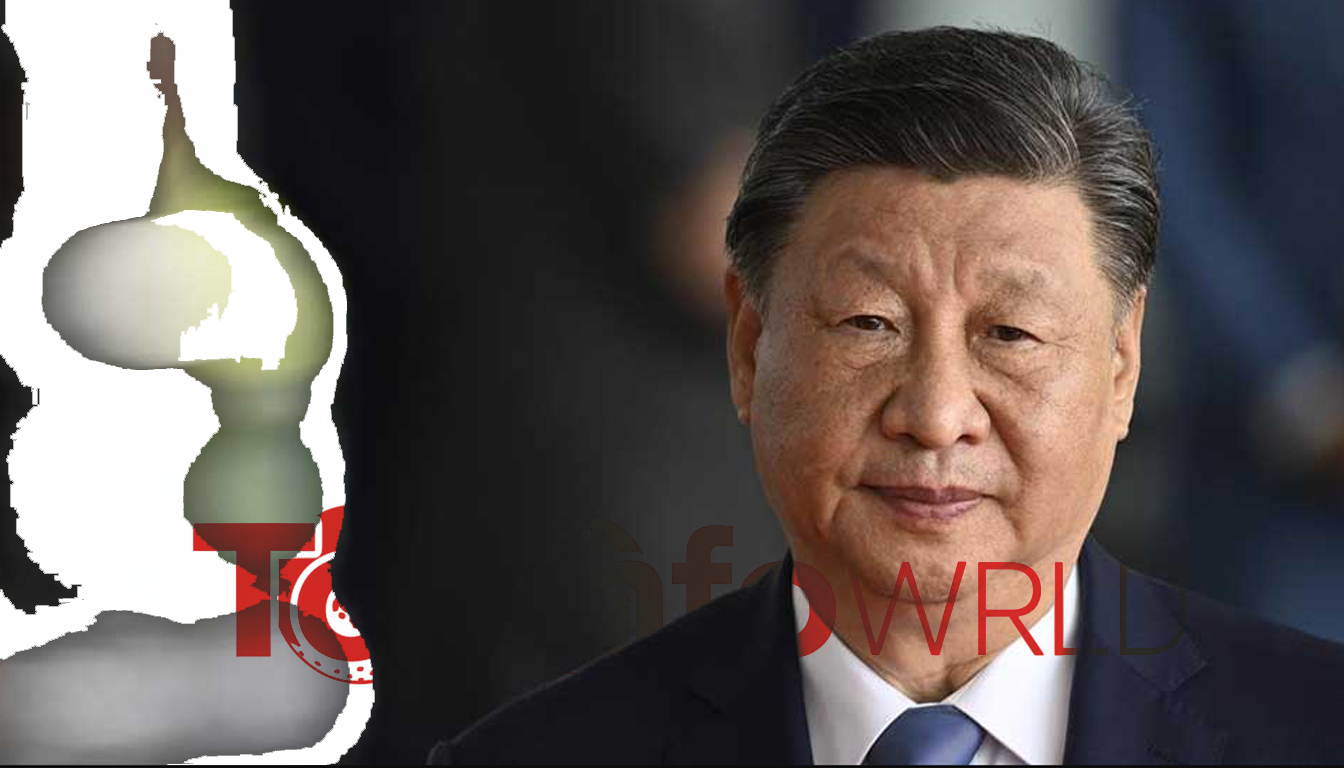
Xi Jinping is one of the most powerful political leaders in the world. As the President of China and General Secretary of the Chinese Communist Party, he has significant control over the country’s political, economic, and military policies. Under his leadership, China has expanded its global influence through major initiatives such as the Belt and Road Initiative.
China is the world’s second-largest economy and plays a major role in global trade. Xi Jinping’s policies affect international relations, technology development, and global supply chains. His leadership also focuses on strengthening China’s military and expanding its role in international organizations.
2. Vladimir Putin
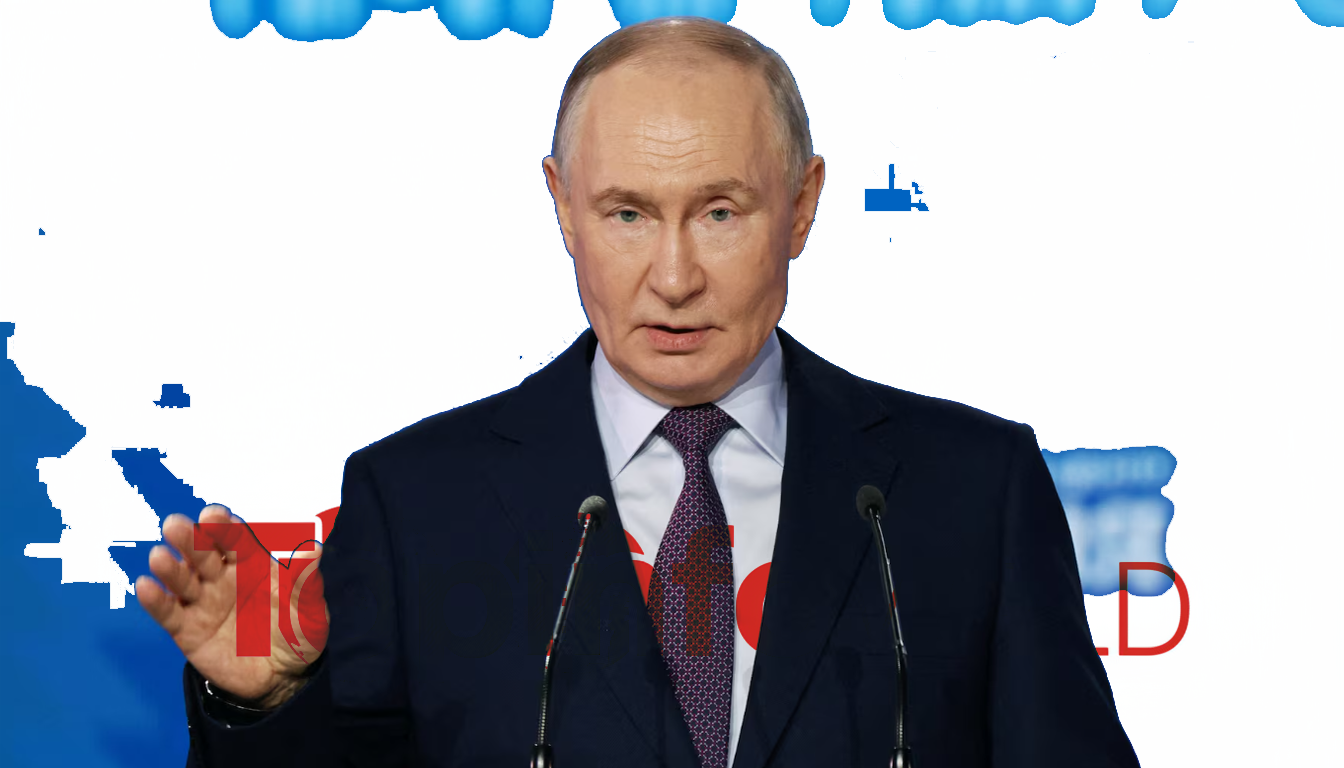
Vladimir Putin has been a dominant figure in global politics for more than two decades. As the President of Russia, he has shaped the country’s foreign policy, military strategy, and energy diplomacy. Russia is a major nuclear power and an important player in global security.
Putin’s leadership has influenced geopolitical conflicts, energy markets, and international alliances. Russia’s role in global politics, especially in Europe and Asia, makes Putin one of the most influential politicians in the world.
3. Joe Biden
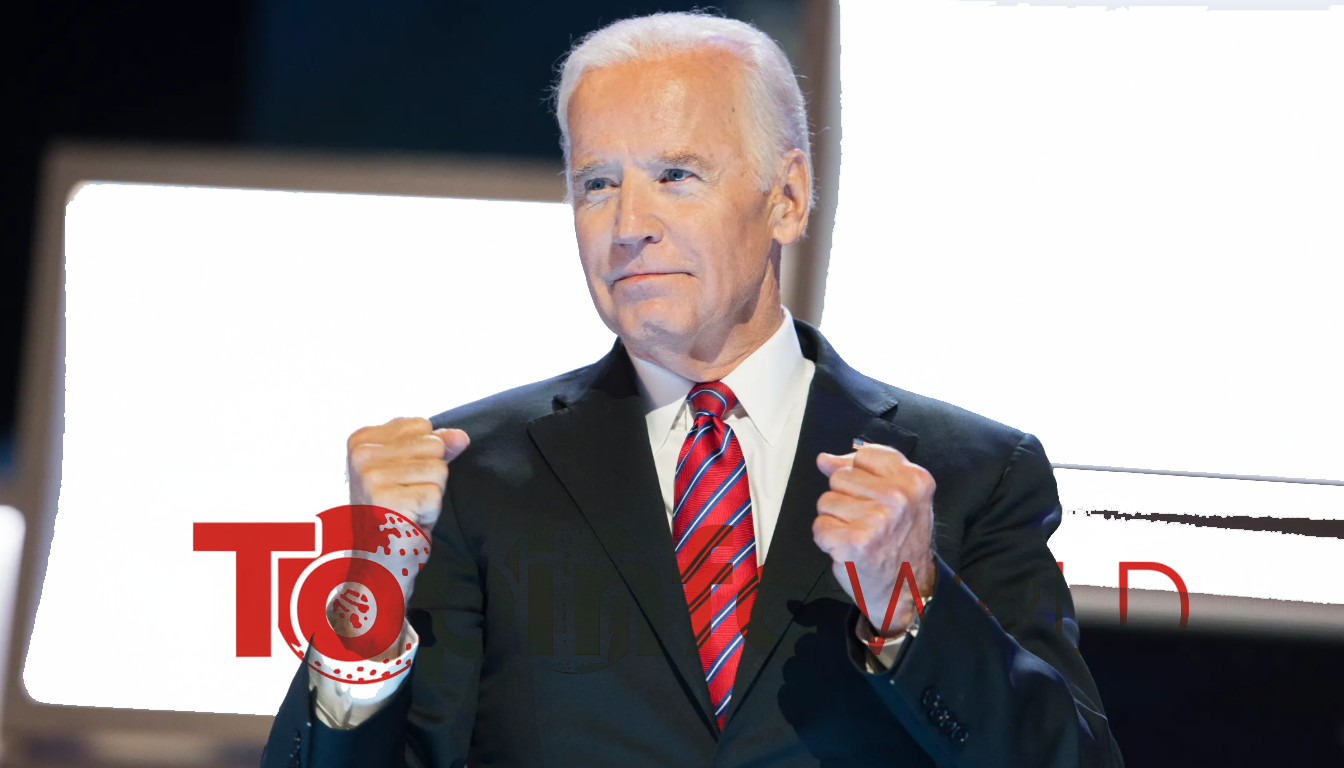
Joe Biden leads the United States, the world’s largest economy and one of the most powerful military forces. The United States has a major impact on global trade, technology, defense alliances, and international organizations.
Under Biden’s administration, the United States has focused on strengthening alliances with countries in Europe and Asia. The country plays a key role in organizations such as NATO and global economic institutions. Because of the global influence of the United States, the American president remains one of the most powerful political leaders in the world.
4. Narendra Modi
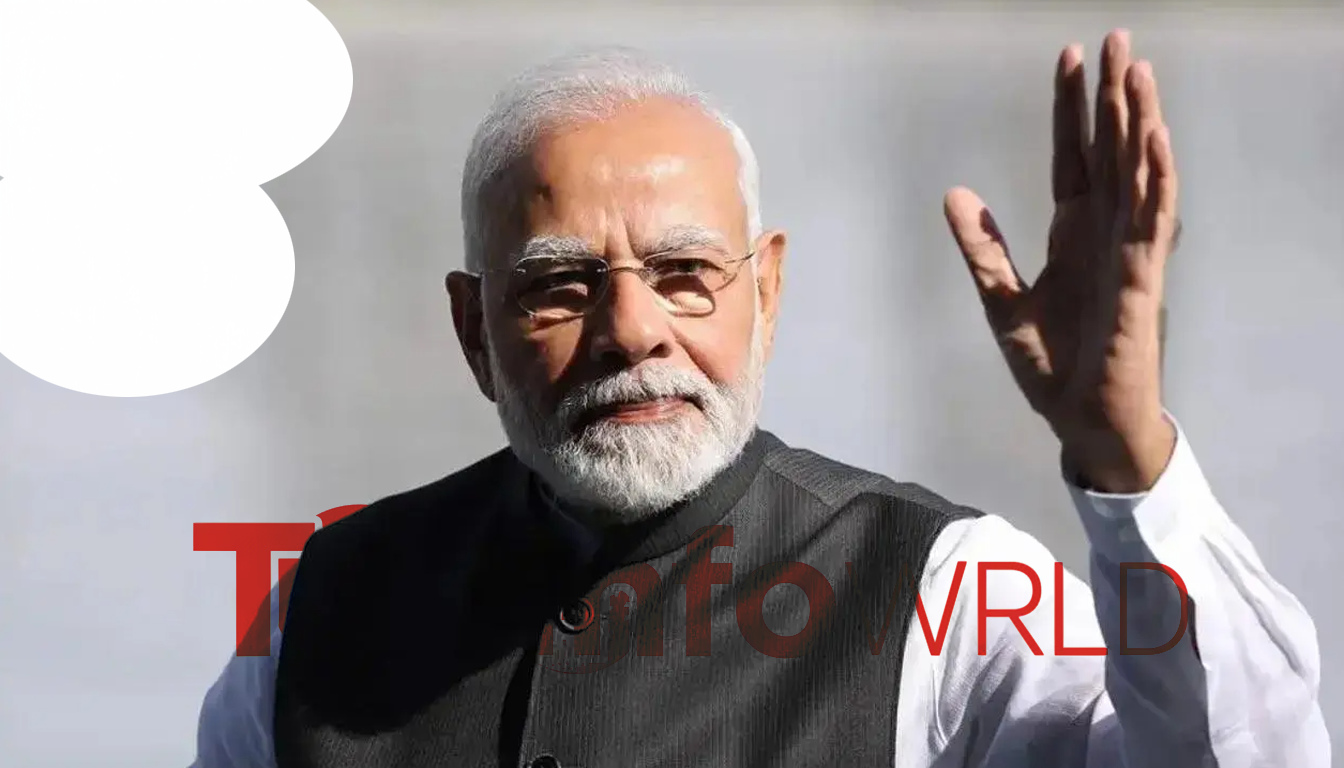
Narendra Modi is the Prime Minister of India, the world’s largest democracy and one of the fastest-growing economies. India has a population of more than 1.4 billion people, making its leadership extremely important on the global stage.
Modi’s policies focus on economic growth, technology development, and strengthening India’s global partnerships. India also plays an important role in organizations such as the BRICS group. His strong popularity at home and growing influence internationally make him one of the most significant leaders in global politics.
5. Ursula von der Leyen
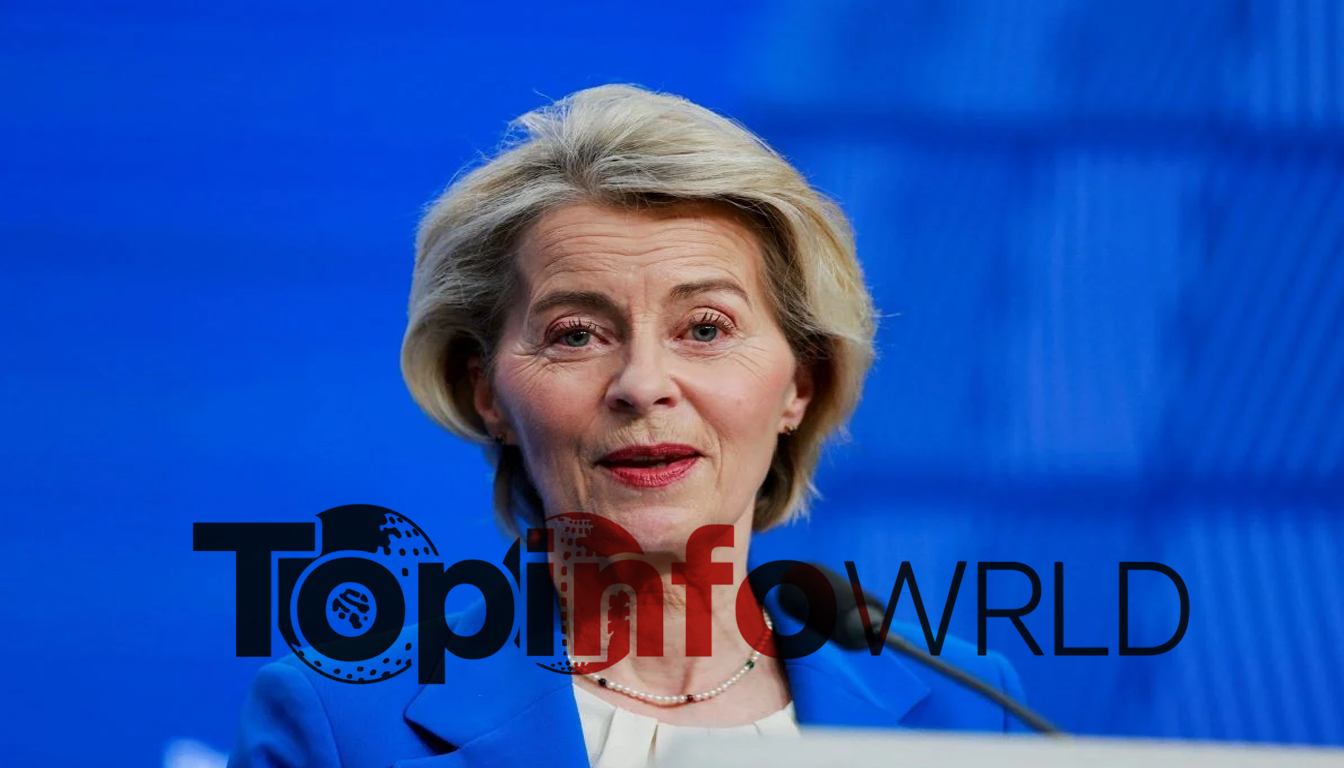
Ursula von der Leyen is one of the most powerful political leaders in Europe. She leads the European Commission, which is the executive branch of the European Union. The European Union is a political and economic union of 27 countries and one of the largest economies in the world.
Her leadership influences European policies on climate change, trade, technology, and foreign relations. She has also played a key role in strengthening cooperation between European countries on security and economic development.
6. Emmanuel Macron
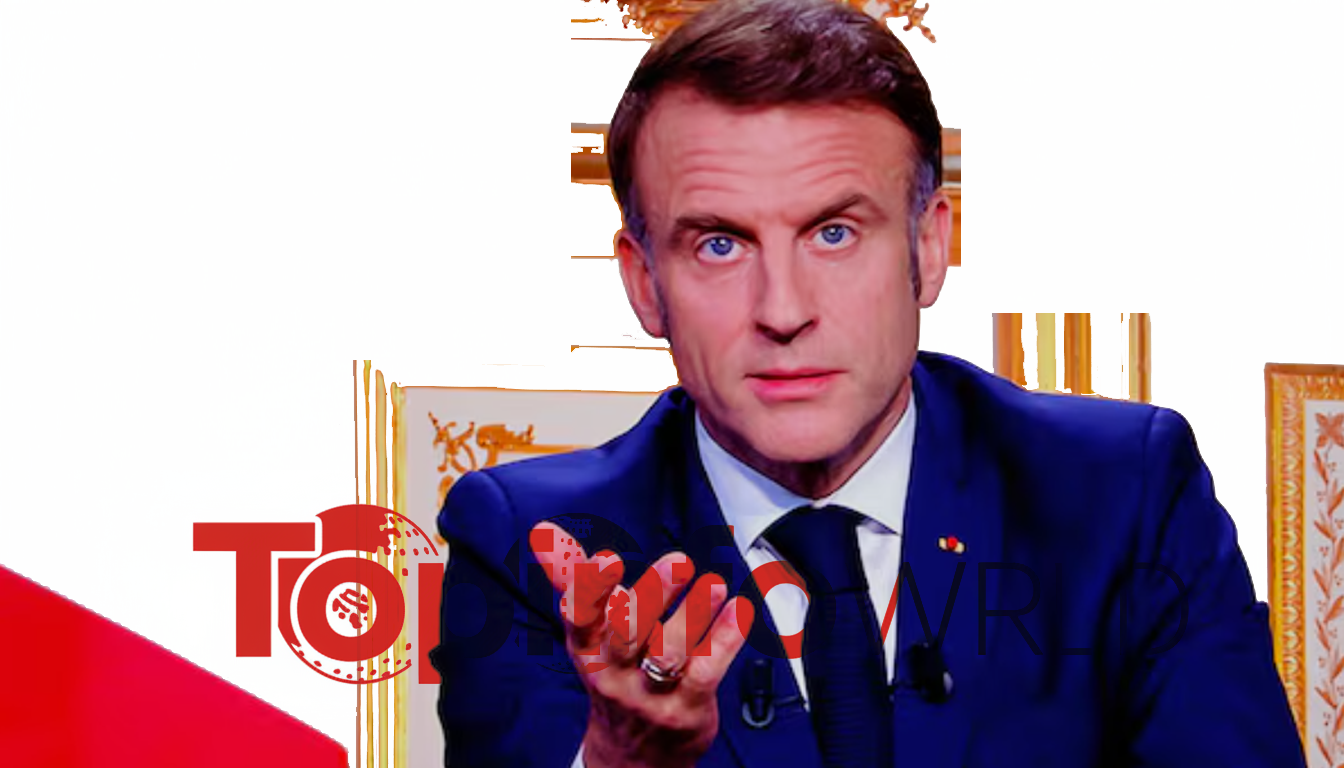
Emmanuel Macron is the President of France, one of the most influential countries in Europe. France is a nuclear power and a permanent member of the United Nations Security Council.
Macron has taken an active role in international diplomacy and European cooperation. His policies often focus on strengthening the European Union and improving economic reforms in France. Because of France’s historical influence in global politics, Macron remains a key leader in international affairs.
7. Mohammed bin Salman
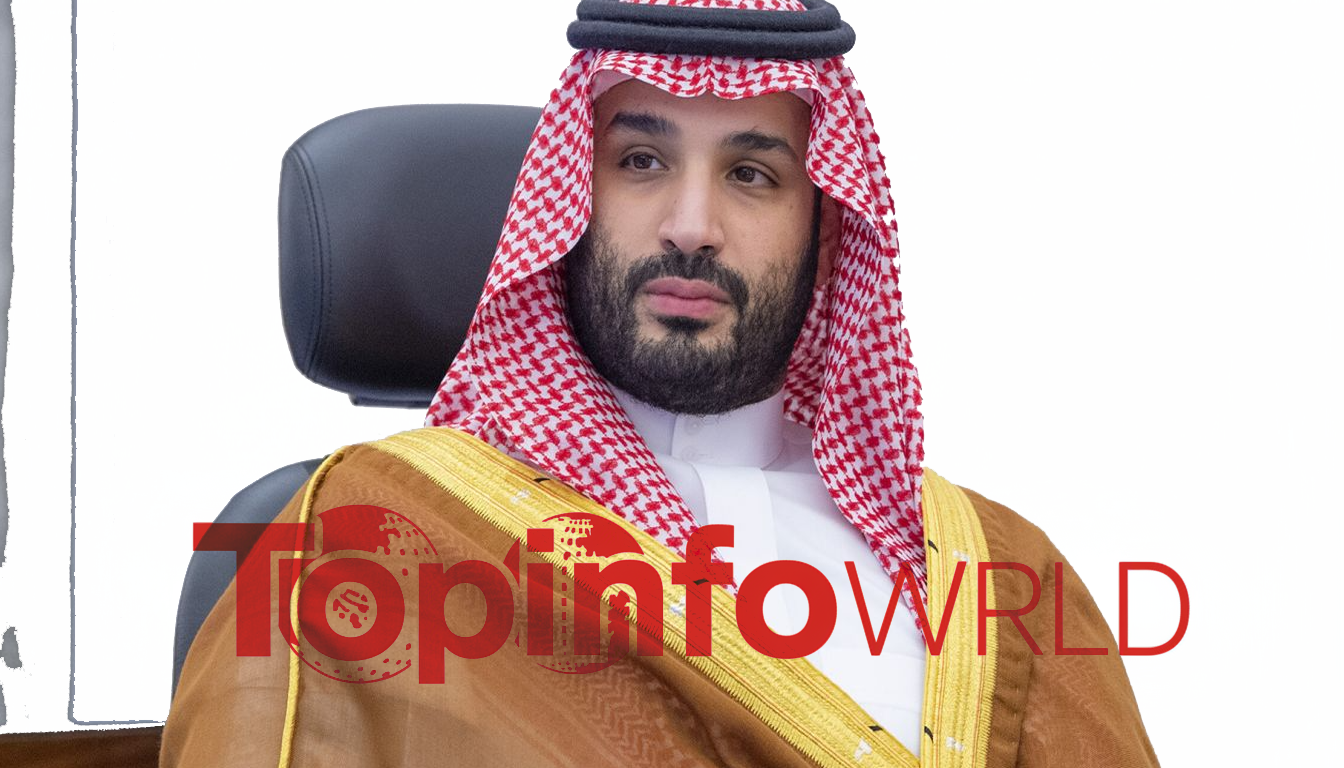
Mohammed bin Salman, often called MBS, is the Crown Prince and the de facto leader of Saudi Arabia. The country is one of the world’s largest oil producers and plays a critical role in global energy markets.
He introduced major reforms through the Saudi Vision 2030 program, which aims to diversify the Saudi economy beyond oil. His policies influence Middle Eastern politics, global energy prices, and international investment.
8. Luiz Inácio Lula da Silva
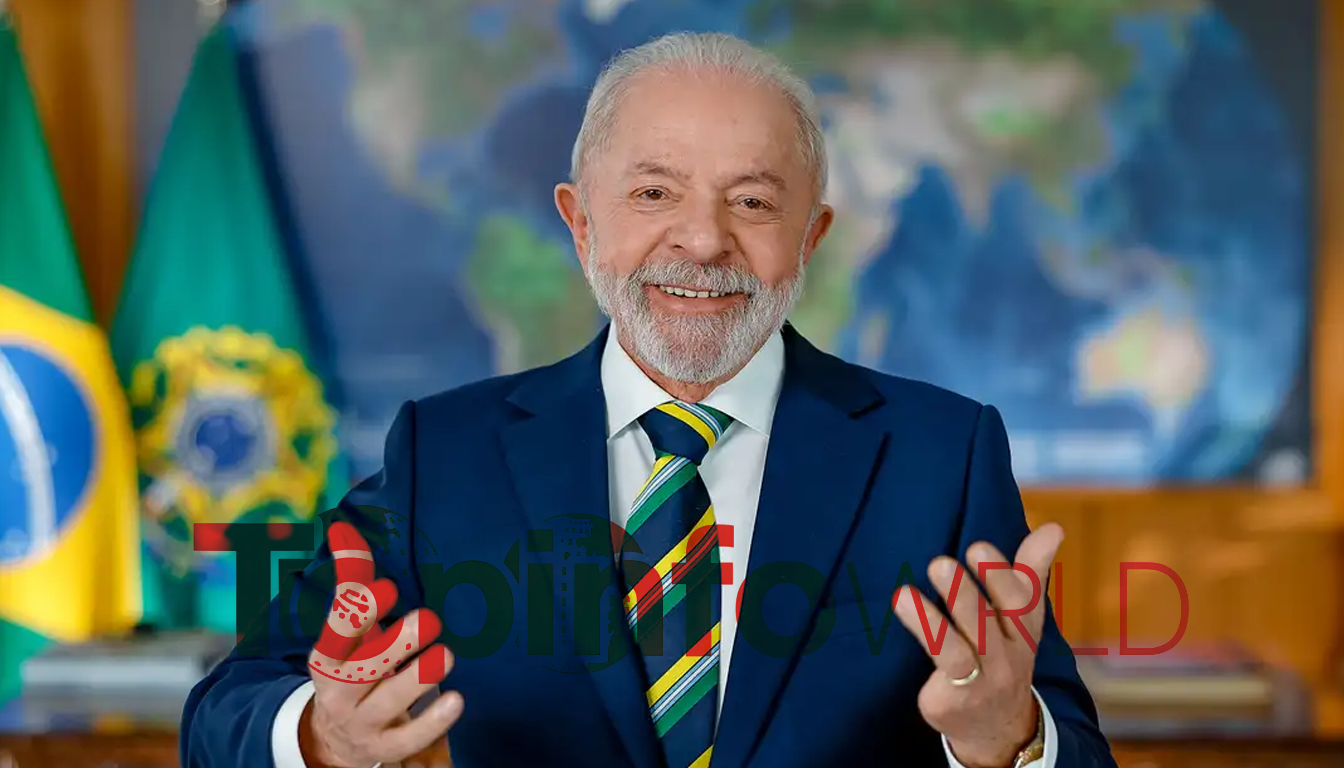
Luiz Inácio Lula da Silva, commonly known as Lula, is the President of Brazil. Brazil is the largest country in South America and one of the world’s major emerging economies.
Lula plays an important role in global discussions on climate change, economic development, and international cooperation. Brazil is also an important member of the BRICS alliance, which includes several major emerging economies.
9. Recep Tayyip Erdoğan
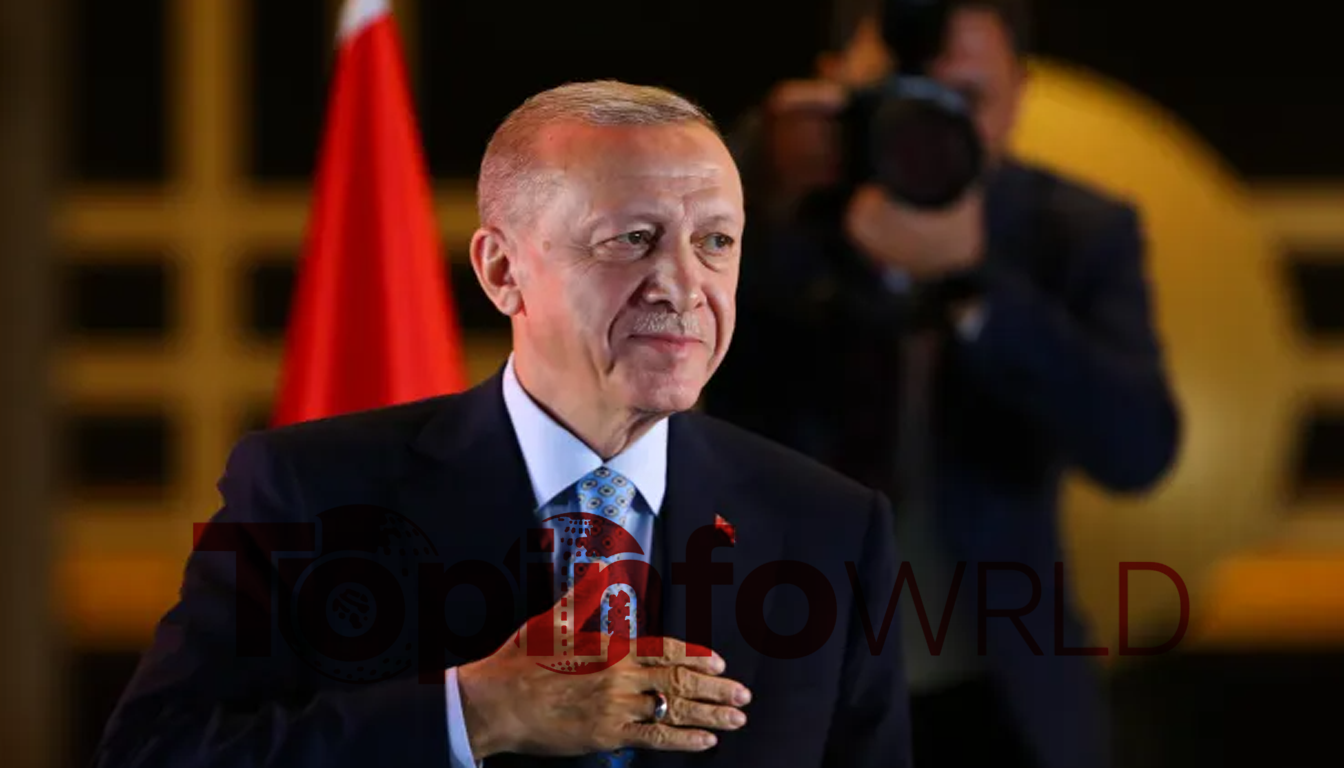
Recep Tayyip Erdoğan is the President of Turkey. Turkey occupies a strategic position between Europe and Asia, making it an important player in regional and global politics.
Turkey is also a member of NATO and plays a role in international security and diplomacy. Erdoğan’s leadership influences politics in the Middle East, Europe, and Central Asia.
10. Olaf Scholz
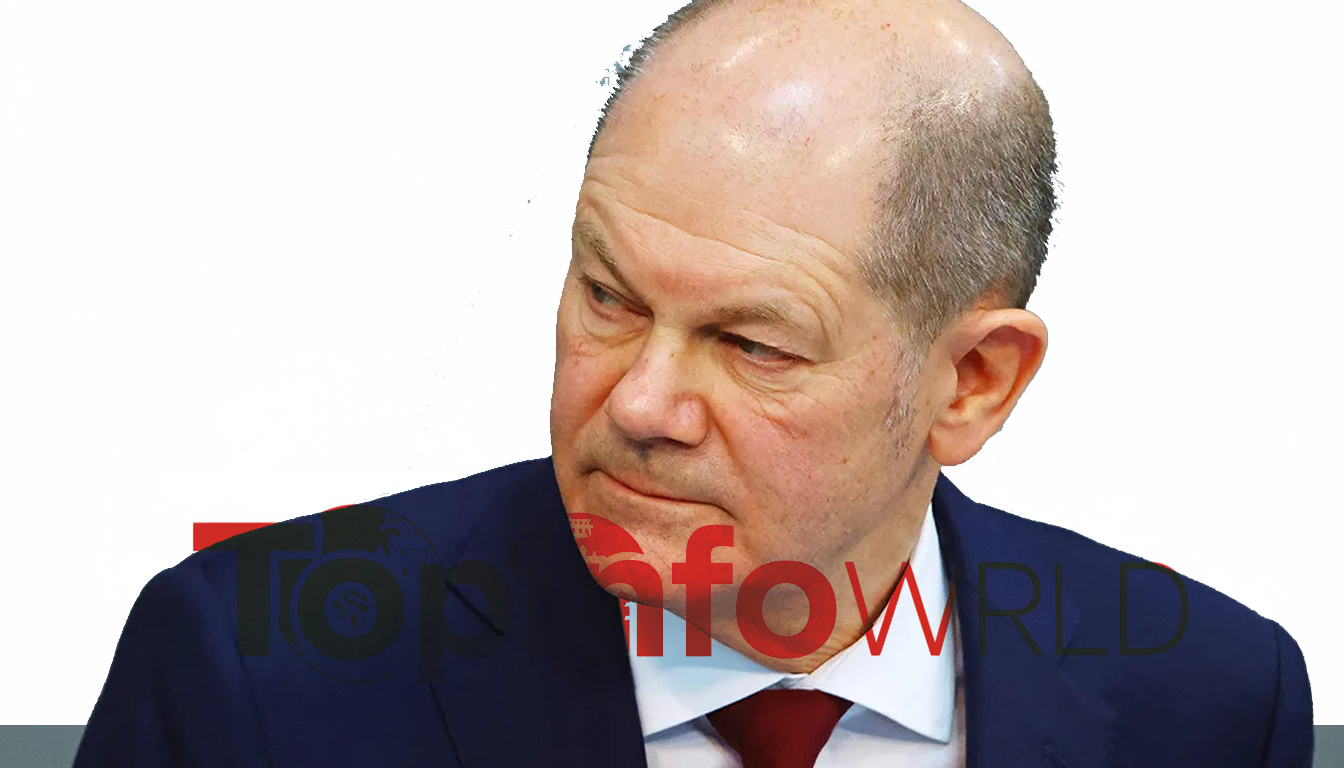
Olaf Scholz serves as the Chancellor of Germany, the largest economy in Europe. Germany is a key leader within the European Union and plays a major role in global trade and economic policy.
Scholz focuses on economic stability, energy policy, and European cooperation. Germany’s strong economy and influence in international organizations make the German chancellor an important figure in world politics.
Conclusion
The world in 2026 is shaped by the decisions and leadership of powerful politicians. Leaders such as Xi Jinping, Joe Biden, Narendra Modi, and others influence global economic policies, international relations, and security issues. Their decisions affect trade agreements, military alliances, climate policies, and the global economy.
Although different countries have different political systems and priorities, these leaders play a major role in shaping the future of the world. As global challenges such as climate change, economic inequality, and geopolitical tensions continue to evolve, the actions of these influential politicians will remain crucial in determining the direction of international politics.