World’s Tallest Bridge and Biggest Museum 2026
World’s Tallest Bridge and Biggest Museum 2026
By Global Travel Correspondent
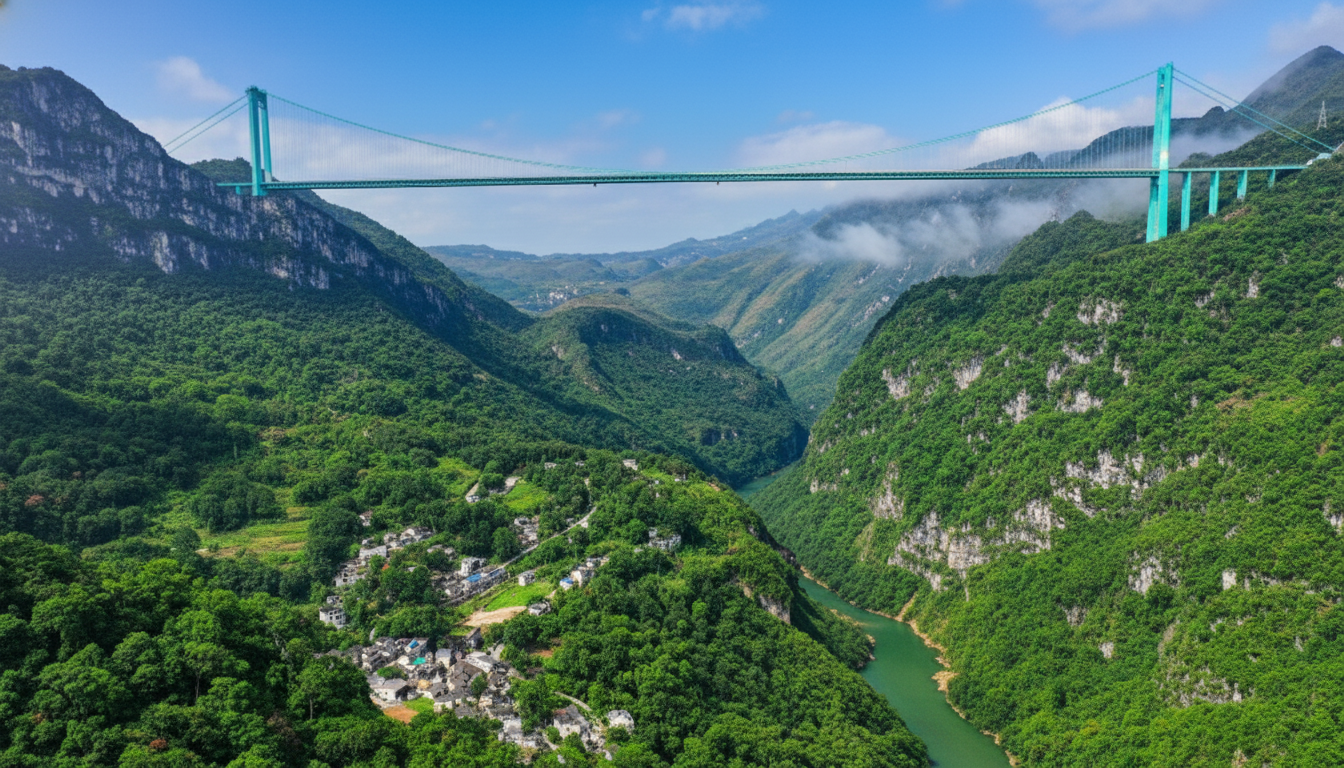
In a remarkable recognition of human ingenuity and modern infrastructure achievement, the Huajiang Grand Canyon Bridge in southwest China has been named one of TIME Magazine’s “Greatest Places of 2026.” The accolade highlights both its technological significance and its emerging role as a major travel destination for adventurers, engineers, and tourists alike.
Spanning the dramatic Huajiang Canyon in Guizhou Province, the Huajiang Grand Canyon Bridge has captured global attention for its breathtaking height and transformative impact on regional transportation. Towering approximately 2,050 feet (625 meters) above the Beipan River, it is officially recognized as the tallest bridge in the world — a status that not only eclipses previous records but also symbolizes China’s growing expertise in large‑scale civil engineering.
A Leap Forward in Connectivity
Prior to the bridge’s completion, crossing the Huajiang Canyon was a slow and winding journey along mountainous routes, often taking nearly two hours. With the opening of the bridge to traffic in September 2025, that same journey now takes barely two minutes, offering a dramatic improvement in travel efficiency for commuters, freight, and emergency services connecting communities on either side of the gorge.
The bridge is part of a larger initiative to improve transportation infrastructure in China’s more remote regions — particularly areas with rugged topography that traditionally hinder economic development and mobility. By drastically reducing travel time, the Huajiang Grand Canyon Bridge has reshaped daily life, stimulating commerce and cultural exchange between once‑isolated towns and cities.
Engineering Marvel Amid Spectacular Scenery
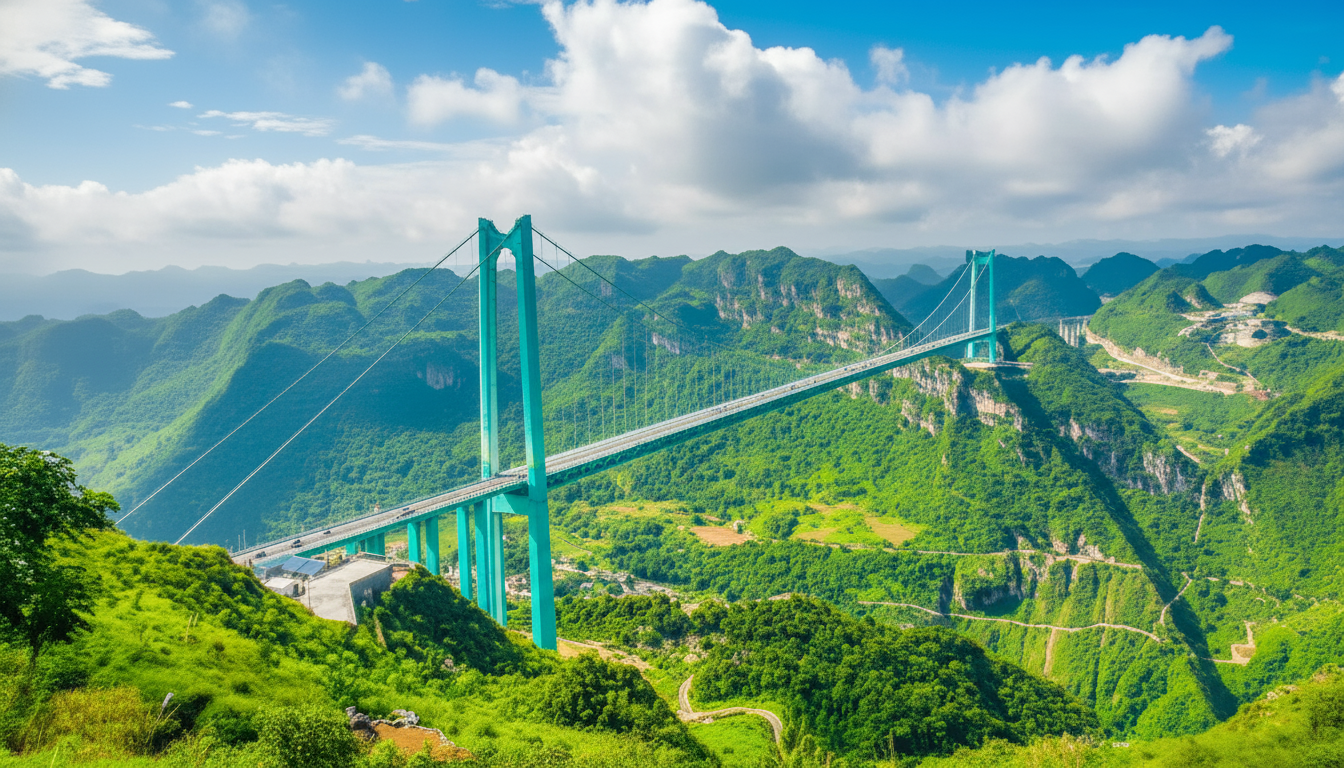
The Huajiang Grand Canyon Bridge is not merely a utilitarian structure. With a length of nearly 2,890 meters (about 9,477 feet) and a main span of 1,420 meters, the bridge sets records for bridges built in steep and mountainous terrain. Its suspension design uses massive cables and a complex support system to ensure stability over the canyon’s vast expanse. The engineering challenges were substantial, requiring deep anchor points and sophisticated wind‑resistance systems capable of withstanding the region’s unpredictable weather conditions.
Construction began in early 2022 and was completed in late September 2025 after more than three years of intensive work by the Guizhou Bridge Group. Engineers and construction crews faced not only geological challenges but also logistical hurdles associated with building at high altitude and over steep cliffs. The project demonstrated an advancement in both design protocols and execution techniques that will inform future infrastructure projects worldwide.
A New Tourist Destination
While the bridge’s primary function is transportation, it was intentionally designed with tourism in mind. Recognizing that modern travelers are drawn as much by experience as by access, authorities incorporated visitor attractions that take full advantage of the bridge’s remarkable height and panoramic views.
One of the standout features is a glass‑bottom skywalk suspended high above the canyon, offering visitors thrilling vistas directly down into the gorge below. Walking across it is not for the faint‑hearted, but for those who embrace it, the experience combines breathtaking natural scenery with an adrenaline rush unlikely to be found elsewhere in Asia.
Additionally, a high‑speed panoramic elevator connects the bridge deck to elevated viewing platforms. From here, tourists can survey the sweeping landscape of the Beipan River and the lush, forested slopes that stretch into the distance. On clear days, these vantage points provide unbeatable views that have quickly become a highlight for travel influencers and adventure photographers.
For those seeking even more excitement, certain sections of the bridge have been equipped for bungee jumping and extreme sports. These recreational offerings have added an extra dimension to the bridge’s appeal, drawing thrill‑seekers from Asia and beyond who want to pair engineering fascination with high‑adrenaline activities.
The Bridge’s Economic and Cultural Impact
The Huajiang Grand Canyon Bridge represents more than an architectural milestone — it plays a pivotal role in local and regional economic development. Government officials and economic analysts note that improved connectivity has encouraged investment in nearby towns, enhanced tourism revenues, and provided job opportunities in hospitality and services.
Guizhou Province, once known primarily for its stunning natural landscapes and rural communities, is now gaining recognition as a global travel stop. The bridge helps position the region in a manner similar to how high‑profile bridges and roadways have boosted tourism elsewhere — acting as both gateway and attraction. With its inclusion on TIME’s list of the 100 “Greatest Places of 2026,” the Huajiang Grand Canyon Bridge joins a curated set of destinations that reflect the intersection of cultural relevance, innovation, and experiential uniqueness.
Cultural festivals, local markets, and scenic hiking trails in the surrounding areas are also benefiting from increased foot traffic. Many small businesses and artisan vendors have reported record sales, while hotels and guesthouses have extended their seasons as more visitors schedule trips to coincide with bridge tours. The bridge has, in effect, become a regional catalyst for sustainable tourism growth.
Global Recognition and Future Prospects
The Huajiang Grand Canyon Bridge’s selection by TIME Magazine as one of the world’s most remarkable places to visit in 2026 is more than symbolic. It signals a broader shift in how people view major infrastructural works — not just as functional assets but as experiential spaces worthy of travel and exploration.
In a global context where tourism is increasingly competitive, attractions that combine human achievement with natural beauty hold a distinct advantage. Travelers today seek destinations that offer cultural depth, aesthetic pleasure, and a sense of wonder. By meeting all these criteria, the Huajiang Grand Canyon Bridge has carved out a unique identity on the world stage.
As 2026 unfolds, travel experts and civil engineers alike will be watching this site closely, not only for its continued popularity but also for what it represents — a bold vision of infrastructure as both lifeline and landmark in the age of experiential travel.